What an Elopement Day Actually Looks Like with a Sample Timeline

If you’re trying to picture an elopement day and your brain keeps defaulting to a wedding timeline with fewer guests, let this be your reset.
Elopements aren’t “mini weddings.” They’re not about cutting things out. They’re about building a day where nothing has to be rushed, justified, or performed.
Below is what an elopement day often looks like when it’s planned with intention—not efficiency.
Morning: No Alarms, No Audience
You don’t wake up to hair and makeup schedules. There’s no one knocking on the door asking where the boutonnières are.
You wake up together or separately. Whatever feels right.
Coffee is slow. The room is quiet. The day hasn’t started yet, and that’s the point.
Getting ready becomes part of the experience, not something to get through. You write vows on the bed. You put on music. You take your time.
This is often when nerves soften into excitement—because there’s nowhere else you need to be.
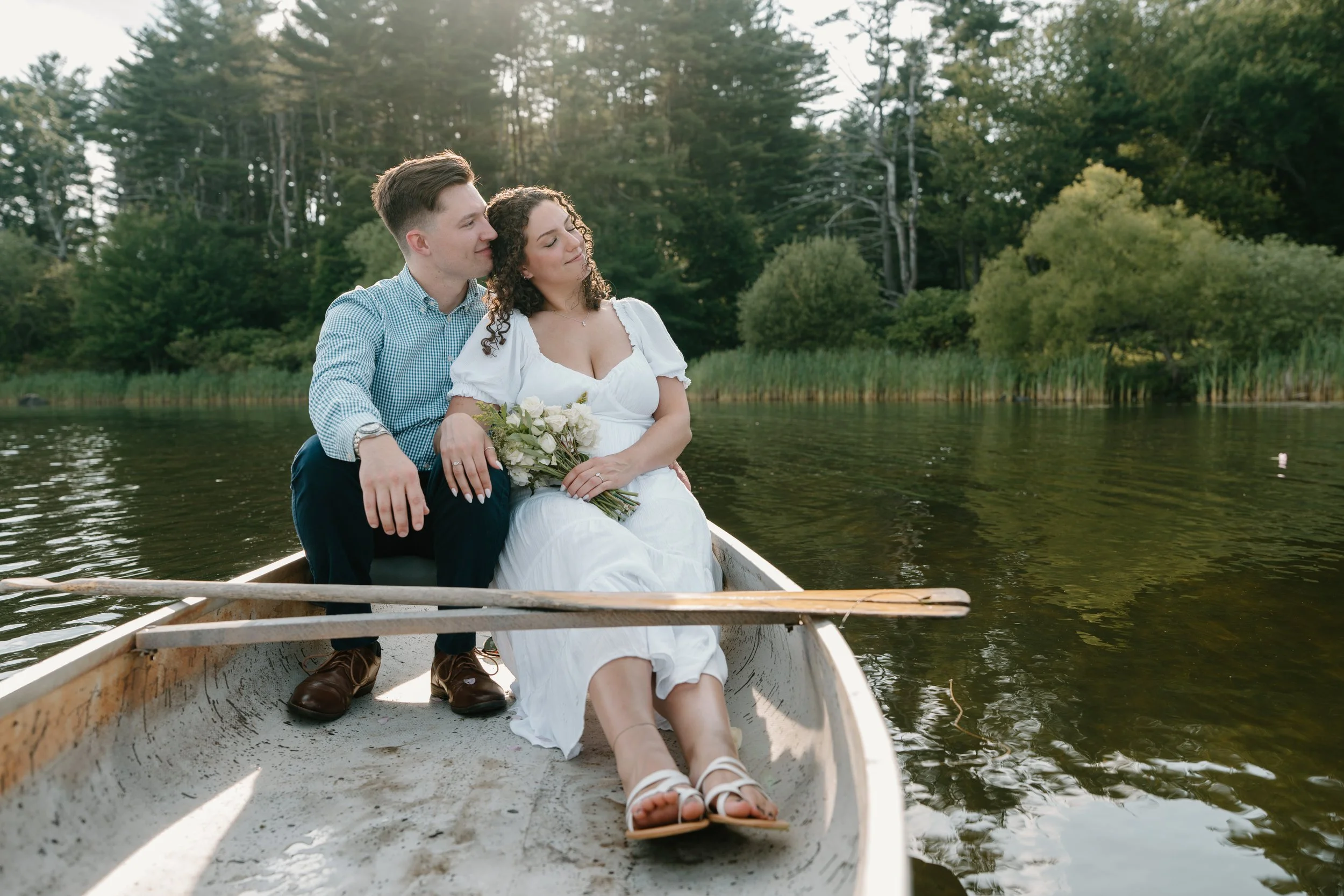
Late Morning: Moving Through the Day Together
Instead of “first look” logistics, you simply meet when you’re ready. And that can still start with your first time seeing each other in your fancy attire if that feels right.
Maybe that’s:
a walk down to the water
a drive along the coast
a short hike where conversation comes easily
There’s no rush to arrive. The act of getting there is part of the day.
This is when I’m paying attention to light, pacing, and energy—quietly shaping the day without pulling you out of it.
Midday: The Ceremony (Uninterrupted)
The ceremony doesn’t start at 2:30 because the florist needs access at 3.
It starts when the moment feels right.
Vows are slow. There’s space between words. You’re not projecting your voice or worrying about how you look while you speak.
Most couples are surprised by how emotional this part feels—not because it’s dramatic, but because nothing is competing for their attention. I didn't elope, but my husband and I shared private vows on our wedding day. It was emotional and special knowing it was just the two of us.
No guests watching.
No timeline pressure.
Just presence.
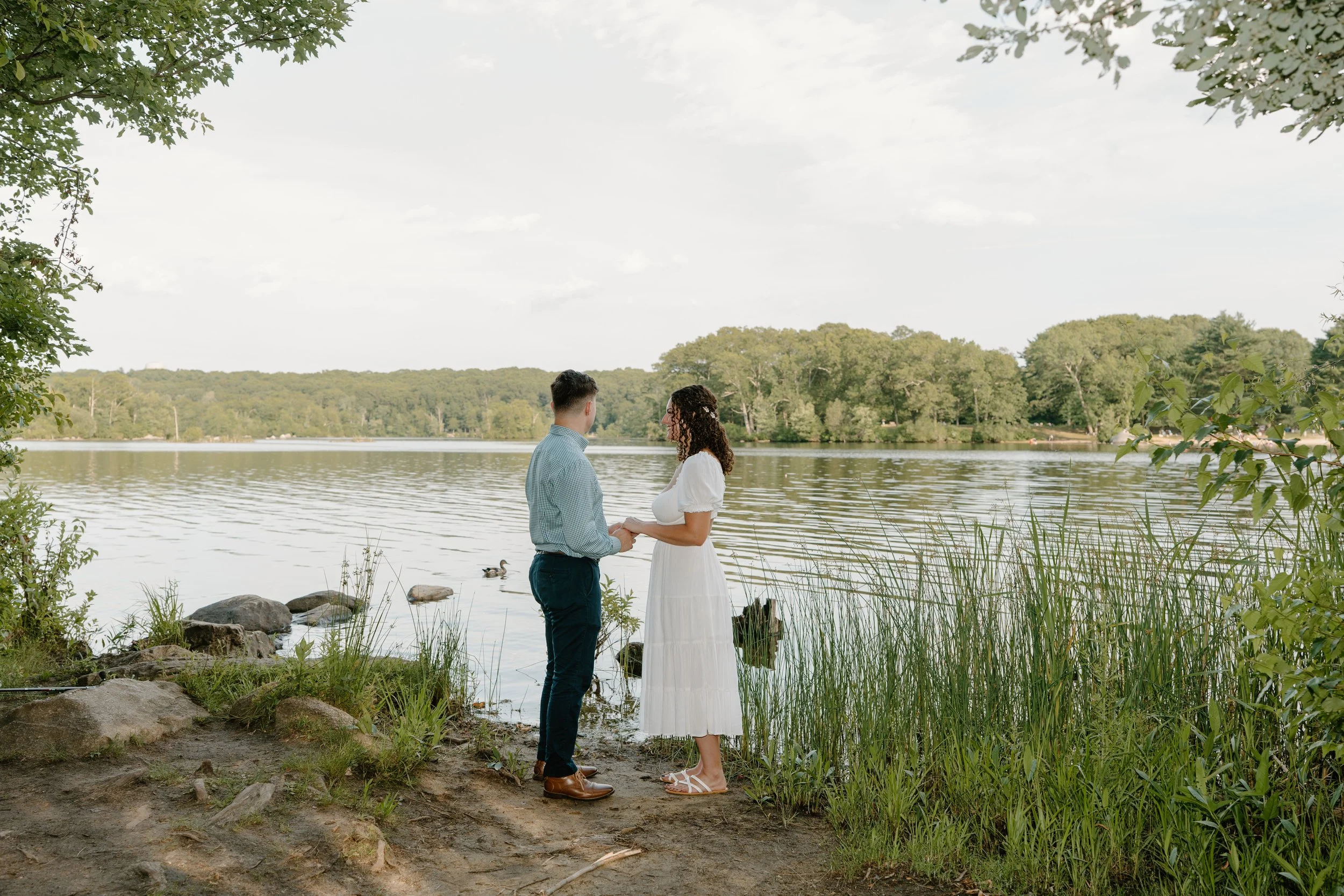
Afternoon: Do Something You Actually Enjoy
This is where elopements separate themselves from tradition.
Instead of cocktail hour:
you sail
you wander a city
you sit on rocks and talk
you set sail on a private sailboat
you eat lunch without being photographed between bites
This isn’t filler. This is the day.
And because it’s built in—not squeezed around formalities—it’s often the part couples remember most clearly.
Golden Hour: Movement, Not Posing
As the light shifts, the energy changes.
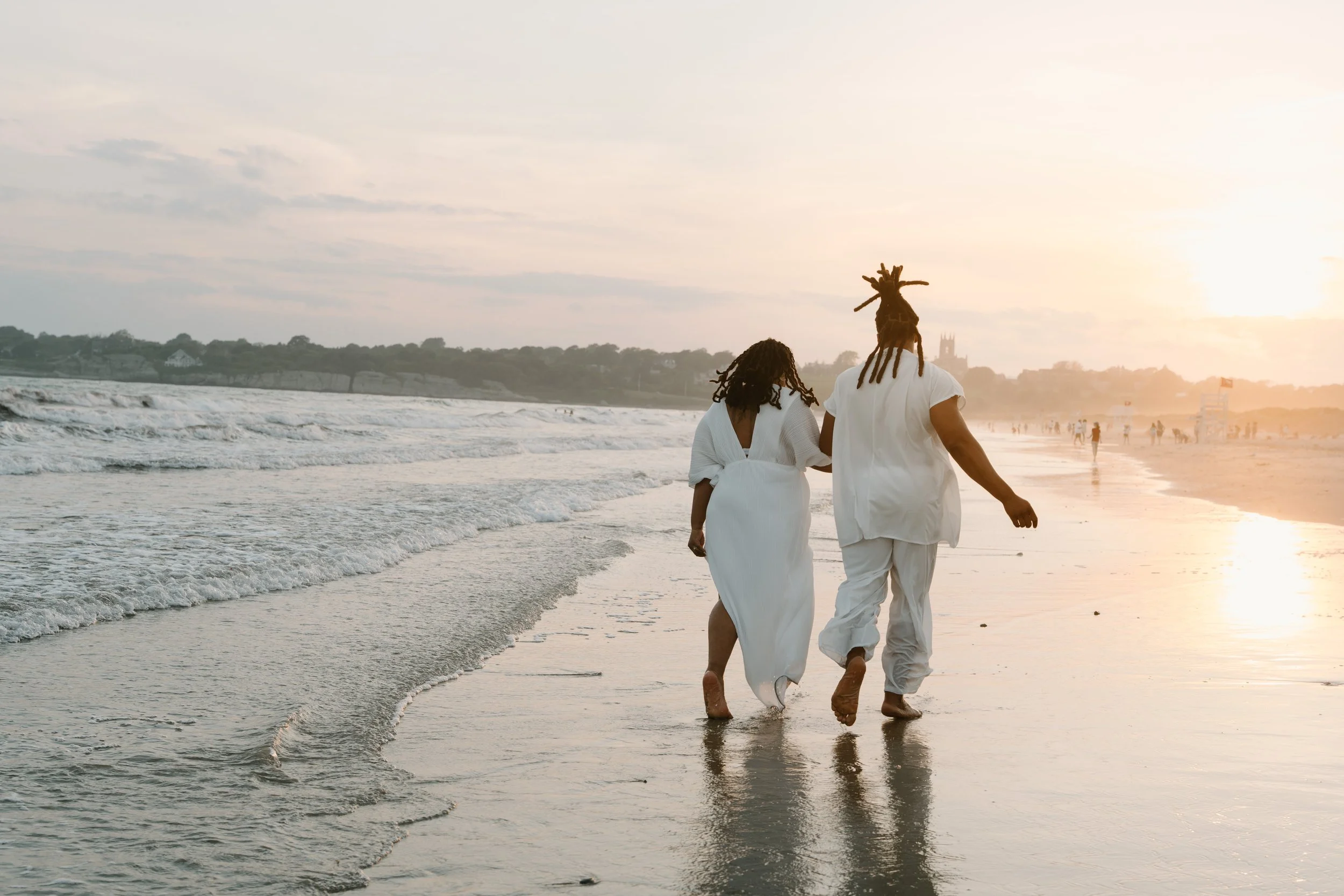
This is when we move again—slowly. Intentionally. Without a shot list.
Photos during this part aren’t about performance. They’re about documenting what’s already happening: the way you walk closer together, the way your shoulders finally relax, the way the day settles into memory.
Nothing needs to be forced because nothing is behind schedule.
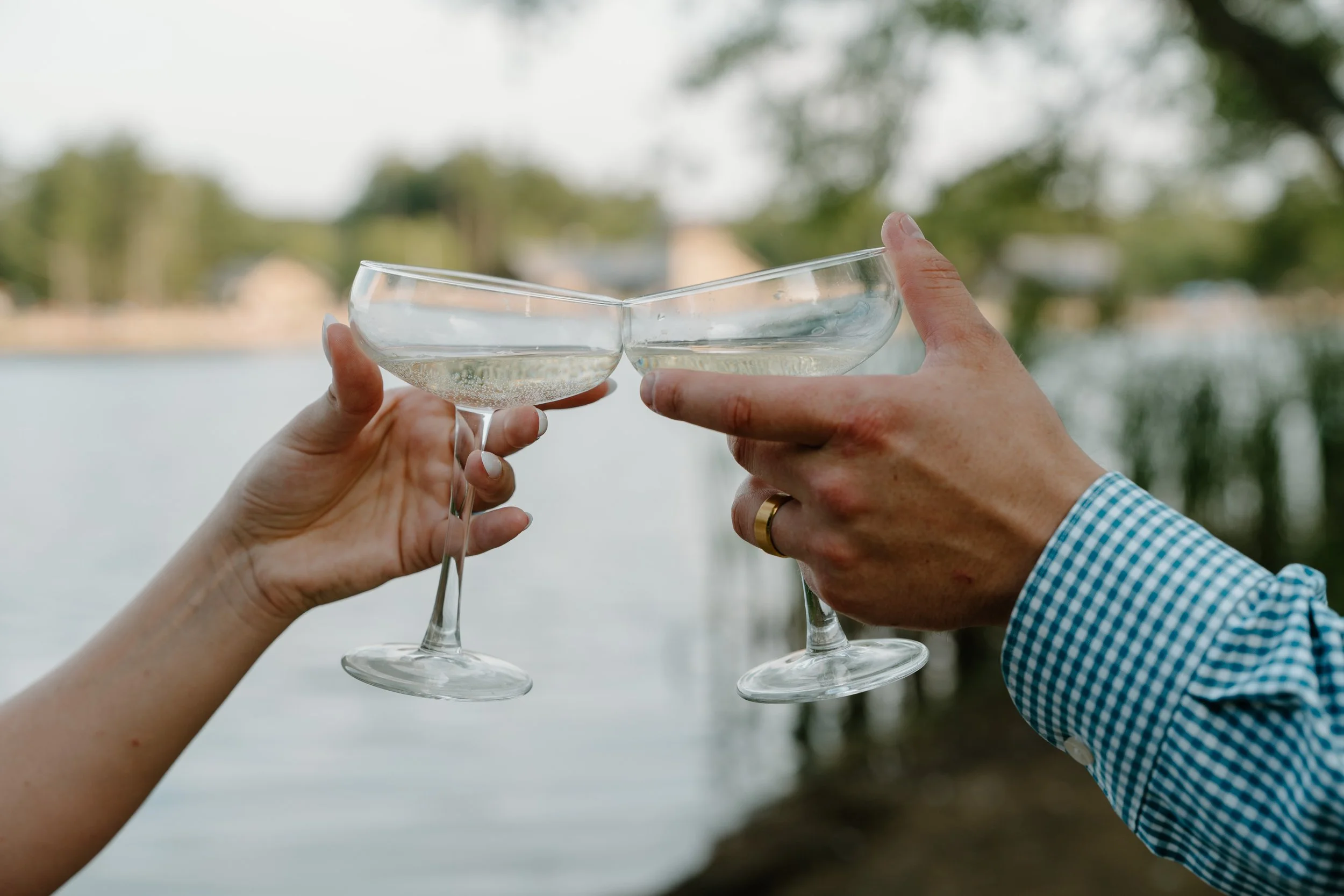
Evening: A Private Dinner or Small Celebration
Instead of a grand exit, the day closes quietly.
Maybe that’s:
a private chef
a candlelit table for two (or twelve)
a toast without a microphone
You’re not exhausted from hosting. You’re present enough to remember the conversation.
The day doesn’t end abruptly. It fades out like a movie.
A Sample Elopement Timeline (Loosely Held)
9:00am — Slow morning, coffee, getting ready
11:00am — Travel, walk, or light adventure
1:00pm — Ceremony
2:00–5:00pm — Experience (sailing, exploring, relaxing)
Sunset — Golden hour portraits
Evening — Private dinner or celebration
This is a framework—not a rulebook.
The best elopement timelines leave space for what can’t be scheduled.
Why This Works
Because the day is built around how you want to feel, not how it’s supposed to look.
When couples look back, they don’t remember the order of events. They remember the calm. The intimacy. The feeling that nothing was rushed or owed to anyone else.
Where I Come In
When I plan and photograph elopements, my job isn’t to fill time—it’s to protect it.
I help you design a day that flows naturally, choose locations that support the experience (not just the photos), and build a timeline that adapts instead of dictates.
If you want a day that feels intentional, unhurried, and deeply personal—and images that reflect that honestly—I’d love to help you plan and document it.